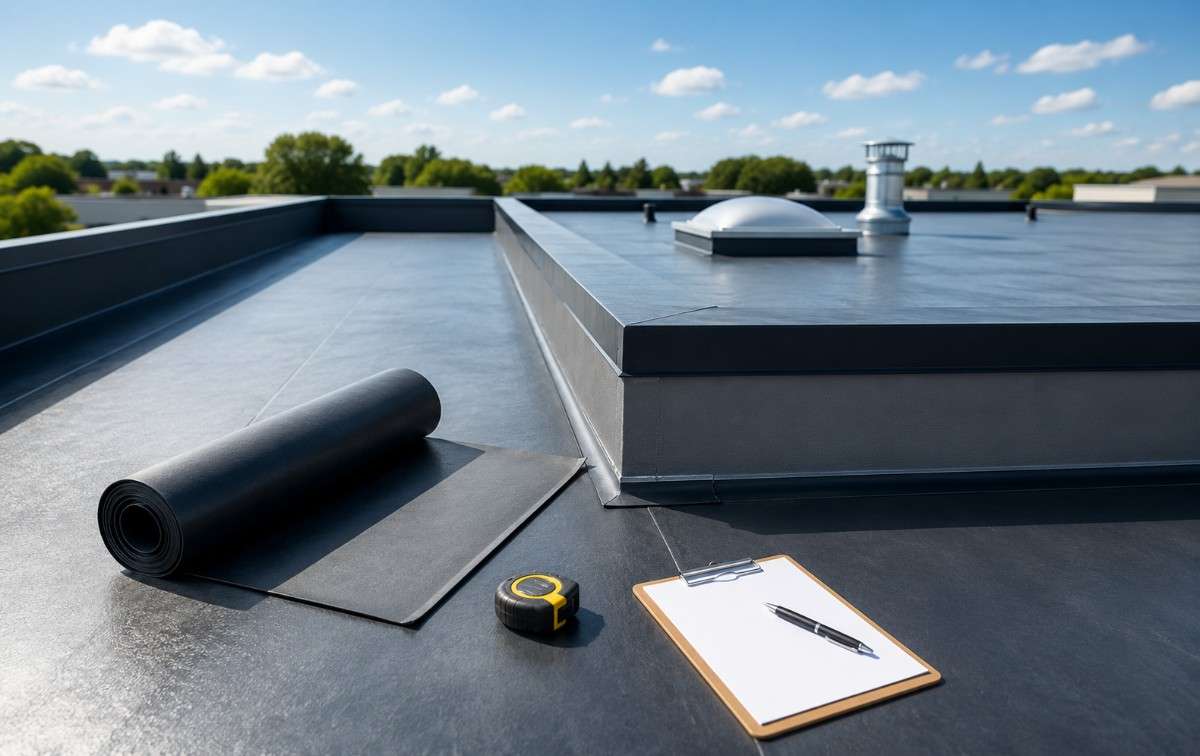
A flat roof can be a durable, energy-efficient, and cost-effective roofing solution for both residential and commercial properties. Before starting a new flat roof installation, it is important to understand the right materials, drainage requirements, insulation options, maintenance needs, and installation methods. Working with experienced flat roof installers and choosing high-quality materials can significantly improve your roof’s lifespan, weather resistance, and long-term performance. Knowing these essential factors helps homeowners make informed decisions, avoid costly mistakes, and maximize the value of their roofing investment.
10 Important Things to Know Before Installing a Flat Roof
Installing a flat roof is a major investment that affects your property’s protection, energy efficiency, and maintenance costs for decades. Although flat roofs appear simple, they require careful planning, professional installation, and quality materials to perform well in different weather conditions.
Whether you’re replacing an aging roof or building a new property, understanding the installation process before work begins can help you make smarter decisions. If you’re planning a roofing project, choosing professional flat roof installation services ensures your roof is designed, installed, and sealed according to industry best practices.
Below are the ten most important things every property owner should know before installing a flat roof.
1. Flat Roofs Are Not Completely Flat
One of the biggest misconceptions is that flat roofs are perfectly level.
In reality, every professionally installed flat roof includes a slight slope, usually between ¼ inch and ½ inch per foot. This gentle pitch allows rainwater to drain toward gutters, drains, or scuppers.
Without proper drainage, standing water can:
- Damage roofing materials
- Cause leaks
- Increase structural stress
- Reduce roof lifespan
Proper roof design begins with effective water management.
2. Choose the Right Roofing Material
Not all flat roofing systems offer the same durability or performance.
Some of the most popular flat roofing materials include:
- TPO Roofing – Energy-efficient and UV resistant
- EPDM Rubber Roofing – Flexible and long-lasting
- PVC Roofing – Excellent chemical and moisture resistance
- Modified Bitumen – Durable and ideal for heavy foot traffic
- Built-Up Roofing (BUR) – Multiple protective layers for enhanced durability
The best material depends on:
- Local climate
- Building type
- Budget
- Maintenance expectations
- Roof usage
An experienced flat roofing contractor can recommend the most suitable option for your property.
3. Proper Drainage Is Essential
Water is the biggest enemy of any flat roof.
Unlike steep roofs, water drains more slowly from flat roofing systems. Poor drainage often leads to ponding water, which accelerates material deterioration.
Your roof should include:
- Internal drains
- Gutters
- Scuppers
- Proper roof slope
- Drainage inspections
Good drainage significantly increases roof performance and lifespan.
4. Insulation Impacts Energy Efficiency
Insulation is just as important as the roofing membrane itself.
A well-insulated flat roof helps:
- Reduce heating costs
- Lower cooling expenses
- Improve indoor comfort
- Prevent condensation
- Increase energy efficiency
Modern insulation systems also improve roof strength and help buildings meet energy codes.
Investing in quality insulation often pays for itself through lower utility bills.
5. Professional Installation Matters
Even premium roofing materials can fail if installed incorrectly.
Experienced flat roof installers understand:
- Waterproof membrane installation
- Flashing techniques
- Roof drainage design
- Seam welding
- Proper insulation placement
Professional workmanship reduces the risk of:
- Leaks
- Premature failure
- Poor drainage
- Warranty issues
Hiring qualified professionals is one of the smartest investments you can make.
6. Climate Affects Material Selection
Your local weather should influence your roofing decisions.
Different roofing systems perform better under different conditions.
For example:
- Hot climates benefit from reflective roofing membranes.
- Cold climates require flexible materials that handle freeze-thaw cycles.
- Rainy regions need exceptional waterproofing.
- Wind-prone areas require enhanced fastening systems.
Selecting roofing materials suited to your environment improves long-term performance.
7. Maintenance Extends Roof Life
A flat roof is not maintenance-free.
Routine inspections help identify small problems before they become expensive repairs.
Recommended maintenance includes:
- Removing debris
- Cleaning drains
- Checking flashing
- Inspecting seams
- Looking for standing water
- Repairing minor damage promptly
Many roofing issues can be prevented through annual inspections.
8. Roof Weight Should Be Evaluated
Different roofing materials have different weights.
Before beginning a new flat roof installation, your contractor should determine whether your structure can safely support the selected roofing system.
Structural evaluations may consider:
- Existing roof condition
- Deck strength
- Building age
- Snow loads
- Additional rooftop equipment
Ignoring structural capacity can create serious safety concerns.
9. Understand Roofing Warranties
Not every roofing warranty offers the same protection.
Before signing a contract, ask about:
- Manufacturer warranty
- Workmanship warranty
- Coverage period
- Transferability
- Exclusions
- Maintenance requirements
A quality warranty reflects confidence in both the materials and the installation process.
Always read warranty documents carefully.
10. Think About Future Roof Usage
Modern flat roofs often serve more than one purpose.
Many property owners use them for:
- Rooftop HVAC equipment
- Solar panel installation
- Green roofing systems
- Outdoor living areas
- Rooftop decks
Planning ahead during installation ensures your roof can safely support future upgrades.
Discuss your long-term goals with your roofing contractor before construction begins.
Common Mistakes Homeowners Should Avoid Before Flat Roof Installation
Many roofing problems start before installation even begins.
Avoid these common mistakes:
- Choosing the lowest bid without comparing experience
- Ignoring drainage design
- Hiring uninsured contractors
- Selecting materials based only on price
- Skipping insulation upgrades
- Delaying maintenance after installation
- Overlooking warranty details
- Failing to schedule professional inspections
Careful planning saves money over the life of your roof.
How to Choose the Right Flat Roofing Contractor?
Not all contractors provide the same level of expertise.
When comparing roofing companies, look for:
- Proven experience with flat roofing systems
- Proper licensing and insurance
- Positive customer reviews
- Manufacturer certifications
- Transparent written estimates
- Warranty-backed workmanship
- Knowledge of local building codes
Asking detailed questions before hiring helps ensure a successful roofing project.
Final Thoughts
Installing a flat roof is more than selecting a roofing membrane. Long-term success depends on thoughtful planning, quality materials, proper drainage, expert installation, and routine maintenance. By understanding these ten important considerations, homeowners can make informed decisions that improve durability, energy efficiency, and overall property value.
Partnering with experienced flat roof installers helps ensure your investment delivers reliable performance for many years. Whether you’re planning a replacement or a new installation, taking the time to prepare before work begins can prevent costly issues and provide greater peace of mind.
Frequently Asked Questions (FAQs)
How long does a flat roof typically last?
A professionally installed flat roof generally lasts 20 to 40 years, depending on the roofing material, installation quality, climate, and maintenance schedule.
Is a flat roof suitable for residential homes?
Yes. Many modern homes use flat roofs because they offer a contemporary appearance, maximize usable space, and can be highly energy efficient when properly designed.
Which flat roofing material lasts the longest?
PVC, TPO, and EPDM roofing systems are among the longest-lasting options. The best choice depends on your climate, budget, and building requirements.
How often should a flat roof be inspected?
Experts recommend inspecting a flat roof at least once a year and after severe storms to identify potential issues before they become costly repairs.
Can a flat roof develop leaks easily?
A properly installed and maintained flat roof should not leak. Most leaks occur due to poor installation, damaged flashing, clogged drains, or neglected maintenance.
Is installing a flat roof more affordable than a pitched roof?
In many cases, yes. Flat roofs generally require fewer materials and can be less expensive to install, though long-term costs depend on maintenance, material selection, and installation quality.