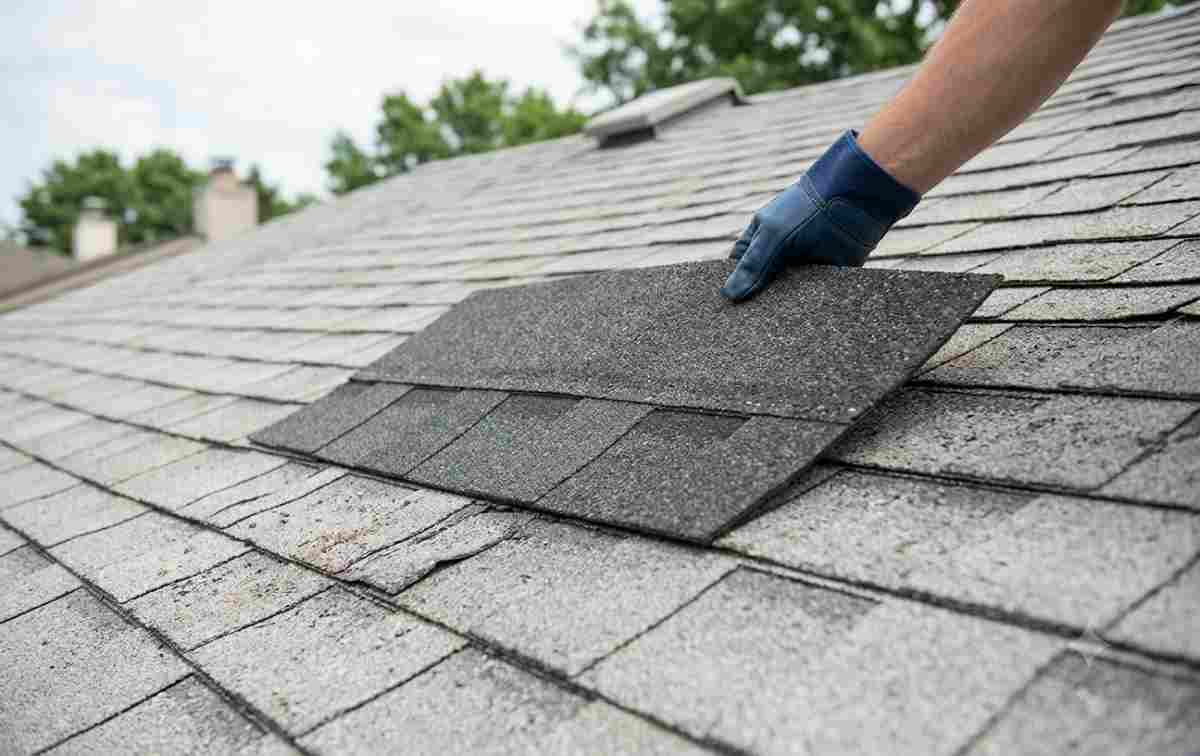
Yes, new shingles can sometimes be installed over an existing layer of asphalt shingles, but it is not the right solution for every roof. A roof-over may be possible when the existing shingles are in relatively good condition, the roof deck is sound, the existing roof has only one shingle layer, and local building requirements and manufacturer instructions allow it. However, removing the old shingles is often the better long-term approach because it allows the roofing contractor to inspect the decking, flashing, underlayment, and other components for hidden damage.
If your existing roof has leaks, widespread shingle damage, sagging, moisture damage, or multiple shingle layers, a complete roof replacement may be more appropriate.
Can You Put New Shingles Over Old Shingles?
Yes, in some circumstances, a new layer of asphalt shingles can be installed over an existing asphalt-shingle roof. This is commonly called a roof-over or reroofing.
The important point is that a roof-over should not be treated as a shortcut that works for every property. The condition of the existing roof matters.
Before installing new shingles over an existing roof, a professional should evaluate:
- The condition of the existing shingles
- The number of existing shingle layers
- The condition of the roof decking
- Signs of leaks or moisture intrusion
- Damaged, curled, cracked, or missing shingles
- Flashing around chimneys, vents, skylights, and roof edges
- Roof ventilation
- Whether the roof has excessive sagging or structural concerns
- Local building-code requirements
- The requirements of the selected shingle manufacturer
A proper inspection helps determine whether reroofing or roof replacement is the more suitable option.
When Can You Install New Shingles Over Existing Shingles?
Installing new shingles over an existing roof may be considered when several conditions are met.
1. The Existing Roof Has Only One Layer
Many roofing systems have limitations on the number of shingle layers that can be installed. Adding another layer over multiple existing layers can create excessive weight and may not comply with applicable requirements.
2. The Existing Shingles Are Relatively Flat
The old shingles should provide a reasonably stable surface for the new roofing material. Heavily curled, buckled, blistered, or deteriorated shingles can prevent the new shingles from lying correctly.
3. The Roof Deck Is Structurally Sound
New shingles do not fix damaged roof decking. If the wood underneath is rotten, weakened, or affected by prolonged moisture, the damaged material should be addressed before installing a new roofing system.
4. There Are No Major Moisture Problems
A roof with active leaks or extensive water damage requires more than a cosmetic layer of new shingles. Covering a problem without addressing its source can allow damage to continue underneath the new roofing.
5. The Roof Configuration Is Suitable
Roof shape, slope, penetrations, flashing, ventilation, and other construction details all affect whether reroofing is appropriate.
When Should You Remove the Old Shingles?
Removing the existing shingles is generally the more thorough option when the roof has significant deterioration or hidden-damage concerns.
A complete tear-off can be especially important when you notice:
- Frequent roof leaks
- Water stains on ceilings or walls
- Missing or broken shingles
- Extensive curling or buckling
- Soft or damaged decking
- Sagging areas
- Significant moss or moisture-related deterioration
- Multiple existing roofing layers
- Damaged flashing
- An aging roof that has reached the end of its service life
The main advantage of removing the old roofing is visibility. Once the existing shingles are removed, the roofing contractor can inspect the roof deck and identify problems that may otherwise remain hidden.
Roof Overlay vs. Complete Roof Replacement
The choice between installing shingles over an existing roof and performing a complete roof replacement depends on the condition of the entire roofing system.
| Roof Overlay | Complete Roof Replacement |
|---|---|
| Uses the existing shingle layer as a base | Existing shingles are removed |
| May reduce tear-off work | Allows inspection of the roof deck |
| Can be appropriate for certain roofs | Better suited to extensively damaged roofs |
| Hidden problems may remain underneath | Damaged decking can be identified and addressed |
| May have limitations based on roof condition and requirements | Provides a fresh roofing system |
A roof overlay can appear attractive because it may involve less tear-off work. However, the lowest initial installation effort does not necessarily make it the best long-term roofing solution.
Does Installing New Shingles Over Old Ones Save Money?
Potentially, but the actual cost depends on the roof’s condition, size, materials, labor, accessibility, and the amount of work required.
A roof-over can eliminate some tear-off and disposal work. However, if the existing roof has hidden moisture damage, deteriorated decking, or inadequate flashing, those issues still need to be addressed.
For that reason, homeowners should compare the complete scope of work, not simply the initial installation price.
When a roof has reached the end of its useful life, investing in a properly installed new roofing system can provide a more comprehensive solution than repeatedly covering visible problems.
What Happens During a Roof Replacement?
A professional roof replacement typically involves several stages:
- Roof inspection – The roofing contractor evaluates the existing roof and identifies visible problems.
- Removal of existing roofing – Old shingles and roofing materials are removed when a tear-off is required.
- Roof deck inspection – The exposed decking is checked for deterioration or damage.
- Repairs where necessary – Damaged components are addressed before new roofing is installed.
- Underlayment and flashing installation – Appropriate protective materials are installed according to the roofing system.
- New shingle installation – New shingles are installed according to manufacturer specifications.
- Ventilation and detail checks – Roof penetrations, edges, flashing, and ventilation are reviewed.
- Final inspection – The completed roof is checked for installation quality and visible issues.
How Do I Know If I Need a New Roof?
Look for multiple signs rather than relying on a single damaged shingle.
Common indicators that you may need roof repair or replacement include:
- Repeated leaks
- Missing shingles
- Cracked or broken shingles
- Widespread curling or buckling
- Water damage in the attic
- Ceiling or wall stains
- Damaged flashing
- Visible roof sagging
- Extensive moss or algae growth
- An aging roofing system with widespread deterioration
Should I Reroof or Replace My Roof?
The answer depends on what an inspection reveals.
If your existing asphalt shingles are relatively sound, there is only one existing layer, and the roof deck and other components are in good condition, a roof-over may be considered.
If the roof has widespread damage, active leaks, deteriorated decking, multiple shingle layers, or has reached the end of its service life, a complete replacement may provide a more appropriate solution.
Do not make the decision based solely on the appearance of the shingles. Problems underneath the visible roofing material can affect the performance and lifespan of the new roof.
For homeowners considering a new roofing system, Silverlining Roof provides professional roof replacement services for properties in the Puget Sound area.
How to Protect Your New Roof?
Whether you choose reroofing or complete replacement, ongoing maintenance can help identify problems before they become more extensive.
Good roof-care practices include:
- Schedule periodic roof inspections.
- Check the roof after severe storms.
- Keep gutters and drainage systems clear.
- Address damaged or missing shingles promptly.
- Watch for water stains in the attic.
- Keep an eye on flashing and roof penetrations.
- Remove accumulated debris.
- Address moss and algae growth appropriately.
Final Takeaway
Yes, you can sometimes install new shingles over an existing roof, but a roof-over is only appropriate when the existing roofing system meets the necessary conditions. If the roof has widespread damage, active leaks, deteriorated decking, multiple layers, or significant age-related wear, removing the old roofing and installing a new system may be the more comprehensive approach.
Before choosing between reroofing and replacement, have the existing roof professionally inspected. A proper evaluation can reveal problems that are not visible from the ground and help you understand the condition of the shingles, decking, flashing, ventilation, and other roofing components.
Frequently Asked Questions
Can I put new shingles over old shingles?
Yes, in some cases. A roof-over may be possible when the existing asphalt shingles and roof deck are in suitable condition, the roofing system meets applicable requirements, and the installation follows manufacturer specifications.
Is it better to remove old shingles before installing new ones?
Often, yes when the existing roof is significantly worn or damaged. Removing the old shingles exposes the roof deck, making it easier to identify rot, moisture damage, and other hidden problems.
How many layers of shingles can a roof have?
The permitted number depends on applicable building requirements and the roofing system. Many roofs have restrictions on additional shingle layers, so a professional inspection should be completed before adding new shingles.
Can you put new shingles over curled shingles?
It is generally not a good idea to cover severely curled, buckled, or deteriorated shingles. The existing surface needs to provide an appropriate base for the new roofing system.
Does a roof-over last as long as a new roof?
The lifespan depends on the condition of the existing roof, installation quality, materials, ventilation, weather exposure, and other factors. A complete replacement provides the opportunity to inspect and prepare the underlying roof structure.
How do I know whether I need roof repair or replacement?
Minor, localized damage may be repairable, while widespread deterioration, repeated leaks, structural concerns, or an aging roofing system may indicate the need for replacement. A professional inspection can help determine the appropriate approach.
Should I replace my roof if it is leaking?
A leak does not automatically mean the entire roof needs replacement. The source and extent of the damage should be evaluated. If leaks are widespread or the roofing system is significantly deteriorated, replacement may be recommended.