The safest way to remove moss from shingles is to avoid aggressive scraping and high-pressure washing. Start by assessing the roof, loosen only the moss that can be removed safely, apply a roof-compatible moss treatment according to its instructions, and use gentle cleaning methods. If the roof is steep, heavily covered, damaged, or difficult to access, professional roof cleaning is the safer choice.
Moss usually appears when a roof remains damp for extended periods. Shaded roof slopes, nearby trees, accumulated leaves and poor drainage can all create conditions where moss thrives. Removing it early can help prevent moisture-related problems and preserve the condition of the shingles.
Why Does Moss Grow on Roof Shingles?
Moss needs moisture, shade and a surface where it can remain undisturbed. A roof can provide all three, particularly when trees block sunlight or organic debris remains on the shingles.
Common factors include:
- Excessive shade from trees or buildings
- Frequent rain or high humidity
- Leaves and debris collecting on the roof
- Slow or blocked drainage
- Poor airflow across the roof
- Gutters that are overflowing or clogged
- Roof sections that remain damp after rainfall
Moss can become particularly noticeable on shaded slopes because those areas dry more slowly than sun-exposed sections.
Can Roof Moss Damage Shingles?
Yes, especially when it is allowed to become thick and established.
Moss can retain moisture against the roof surface and work into spaces around shingle edges. Repeated wetting and drying can contribute to deterioration, while thick growth can make individual shingles more vulnerable to lifting or displacement.
The bigger concern is often what moss indicates about the roof environment. Persistent moisture, debris and drainage problems can contribute to premature roof deterioration.
If the roof is difficult to access or the moss covers a large area, it may be safer to book roof cleaning servies rather than attempting to climb onto the roof yourself.
How Do You Remove Moss Without Damaging Shingles?
The key is to let the cleaning treatment do much of the work instead of trying to physically force moss off the roof.
1. Examine the Roof First
Before cleaning, look at the roof from a safe location.
Check for:
- Large areas of moss
- Loose or missing shingles
- Curling or cracked shingles
- Exposed roofing material
- Excessive granule accumulation in gutters
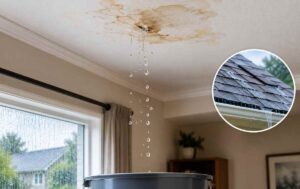
- Water stains or possible leaks
- Debris around valleys and drainage areas
If the shingles already appear brittle or damaged, DIY cleaning may make the situation worse.
For an older roof, determining whether cleaning is appropriate should come before deciding how to clean it.
2. Choose a Suitable Roof Cleaner
Do not assume that every household cleaning chemical is appropriate for roofing.
Choose a roof cleaner or moss treatment specifically intended for your roofing material, and follow the manufacturer’s application instructions.
The right product should help weaken or kill the moss without requiring aggressive physical force.
Also consider the surroundings. Cleaning solutions can affect grass, plants, siding and other surfaces if runoff is not controlled.
3. Remove Loose Moss Gently
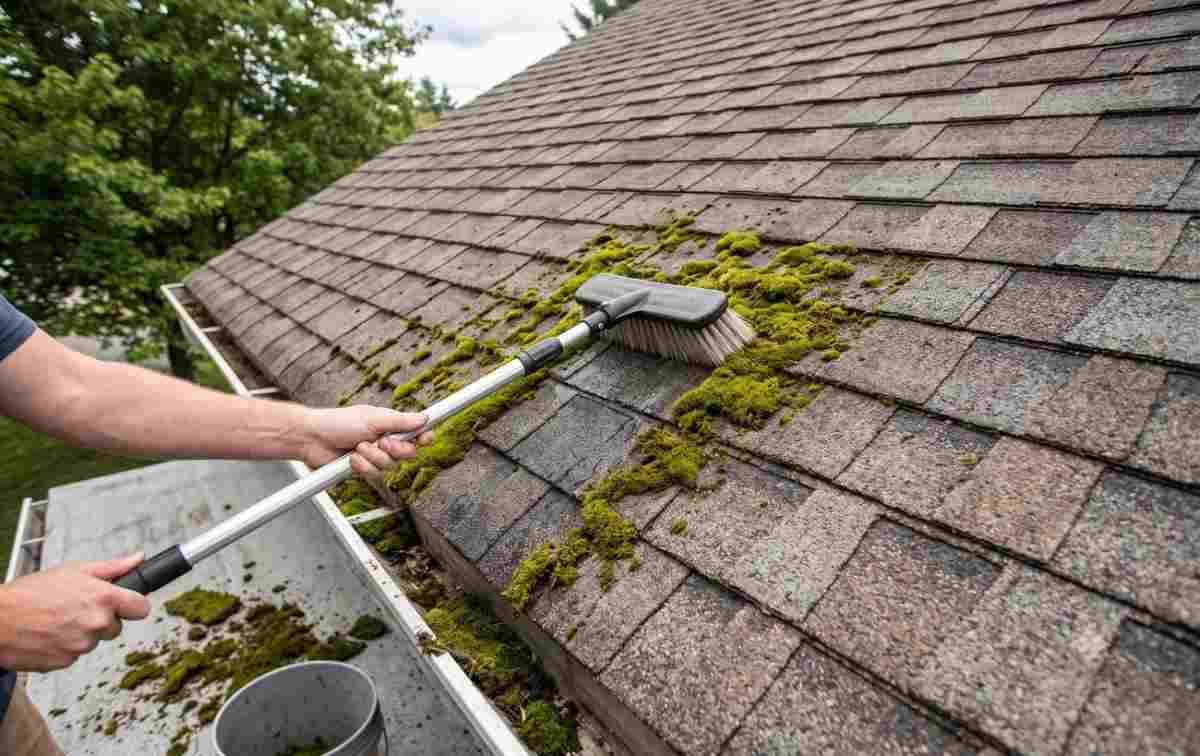
Once the treatment or moisture has loosened the growth, remove what comes away easily using a soft-bristled cleaning tool.
The important principle is:
Loosen the moss; do not grind the shingles.
Avoid metal tools, aggressive scraping and repeated brushing over the same area. Asphalt shingles contain protective surface granules, and unnecessary abrasion can reduce their protective layer.
Work carefully and follow the direction of the shingles rather than forcing material underneath their edges.
4. Avoid High-Pressure Washing
Never treat pressure washing as the shortcut for roof moss removal.
A powerful water stream can do more than remove moss. It may disturb shingle granules, lift shingle edges or force water into areas that are supposed to remain protected.
A roof can look dramatically cleaner immediately after pressure washing while suffering damage that is not obvious from the ground.
For this reason, professional roof cleaning generally relies on controlled application and gentler rinsing rather than attempting to blast moss away.
5. Rinse Only When the Cleaning Product Requires It
Some roof-cleaning treatments are designed to remain on the surface and work gradually, while others require rinsing.
Always follow the product directions instead of creating your own concentration or exposure time.
If rinsing is required, use a gentle approach and direct water in a way that does not push it underneath shingle courses.
What Is the Best Time to Clean Roofs?
The best time to clean roofs is during a period of suitable weather when the surface can be treated safely and the cleaning solution can work as intended.
Avoid cleaning immediately before severe rain, during unsafe wind conditions or when the roof surface creates a significant slip hazard.
For homeowners dealing with recurring moss, timing should not be the only consideration. The underlying reason for the growth should also be addressed.
For example, cleaning a roof repeatedly without trimming heavily overhanging branches may only provide a temporary solution.
How Can You Stop Moss From Returning?
Removing existing growth is only half of effective roof maintenance.
1. Improve Sunlight and Airflow
Trim branches that excessively shade the roof where appropriate. More sunlight and airflow can help the surface dry faster.
2. Keep the Roof Free of Debris
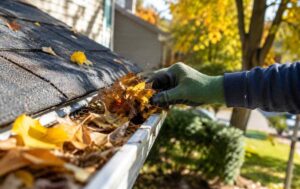
Leaves, twigs and organic material can hold moisture against shingles. Removing accumulated debris can make the roof less favorable for moss growth.
3. Maintain Gutters and Downspouts
A roof blockage or poorly functioning drainage system can contribute to persistent moisture around the roof.
Keep gutters and downspouts clear so rainwater can move away from the roofing system efficiently.
4. Schedule Regular Roof Cleaning
If your property has recurring moss problems, regular roof cleaning and inspections may be more practical than waiting until thick growth develops.
The appropriate maintenance frequency depends on factors such as:
- Local climate
- Amount of rainfall
- Tree coverage
- Roof orientation
- Roof material
- Age and condition of the shingles
Is DIY Roof Moss Removal Safe?
It depends on the roof and the homeowner’s ability to work safely.
A small amount of moss may appear easy to handle, but climbing onto a sloped roof introduces fall and surface-damage risks.
Professional assistance is particularly sensible when:
- The roof has a steep pitch
- Moss covers a large area
- The roof is several years old or deteriorating
- Shingles are already damaged
- The roof is difficult to access
- Moss has entered beneath shingle edges
- There are signs of water intrusion
- You do not know which cleaning treatment is compatible with the roof
Common Roof Moss Removal Mistakes to Avoid
Homeowners often cause more damage by using excessive force than by leaving a small amount of moss temporarily untreated.
Avoid:
- Pressure washing asphalt shingles
- Scraping aggressively with metal tools
- Pulling moss from underneath shingle edges
- Walking repeatedly over fragile shingles
- Using an untested household chemical
- Ignoring runoff around landscaping
- Cleaning without checking the roof’s condition first
- Treating moss without addressing recurring moisture problems
The purpose of roof cleaning is not simply to make the shingles look green-free. A good cleaning method should remove unwanted growth while preserving the roofing material.
Final Answer: What Is the Safest Way to Remove Roof Moss?
The safest approach is to treat moss rather than aggressively attack it. Inspect the roof first, use a compatible roof-cleaning product, gently remove loosened growth, avoid pressure washing and correct the moisture or shade conditions that encourage moss.
If the roof is steep, aging, heavily covered with moss or showing signs of damage, hiring a professional is usually the safer option than attempting extensive DIY cleaning.
Good roof maintenance is ultimately about prevention. Keeping gutters clear, controlling excessive shade, removing debris and arranging regular roof cleaning can help reduce the conditions that allow moss to return.
Frequently Asked Questions
Does moss need to be removed from a roof?
Yes. Established moss can retain moisture and contribute to shingle deterioration. Removing it early can help protect the roofing system.
Can I scrape moss off my shingles?
You should avoid aggressive scraping. Excessive force can disturb the protective surface of shingles. A suitable treatment and gentle removal method is safer.
Is pressure washing safe for roof shingles?
Generally, no. High-pressure washing can damage shingles and remove protective granules. A gentler roof-cleaning approach is preferable.
What is the best roof cleaner for moss?
There is no single cleaner that is best for every roof. Choose a product designed for the specific roofing material and follow its manufacturer’s instructions.
Will cleaning completely prevent moss from returning?
Not necessarily. If shade, moisture, debris or drainage problems remain, moss can return. Prevention requires addressing the conditions that support its growth.
How often should I have regular roof cleaning?
There is no universal schedule. Roofs exposed to heavy shade, rainfall and tree debris may require more frequent inspection and cleaning than roofs that remain dry and receive plenty of sunlight.
Can moss cause a roof blockage?
Moss itself is not usually the only cause of a blockage, but moss, leaves and other organic debris can accumulate around gutters and drainage points. Keeping these areas clear helps maintain proper water flow.
When should I hire a professional roof cleaner?
Consider a professional roof cleaner when the roof is steep, difficult to access, heavily affected by moss, fragile or already showing signs of damage. Professional cleaning can also reduce the risk of accidental shingle damage and falls.