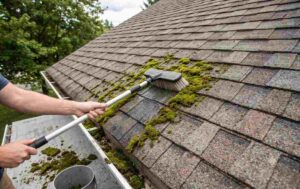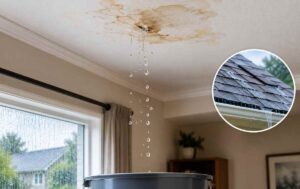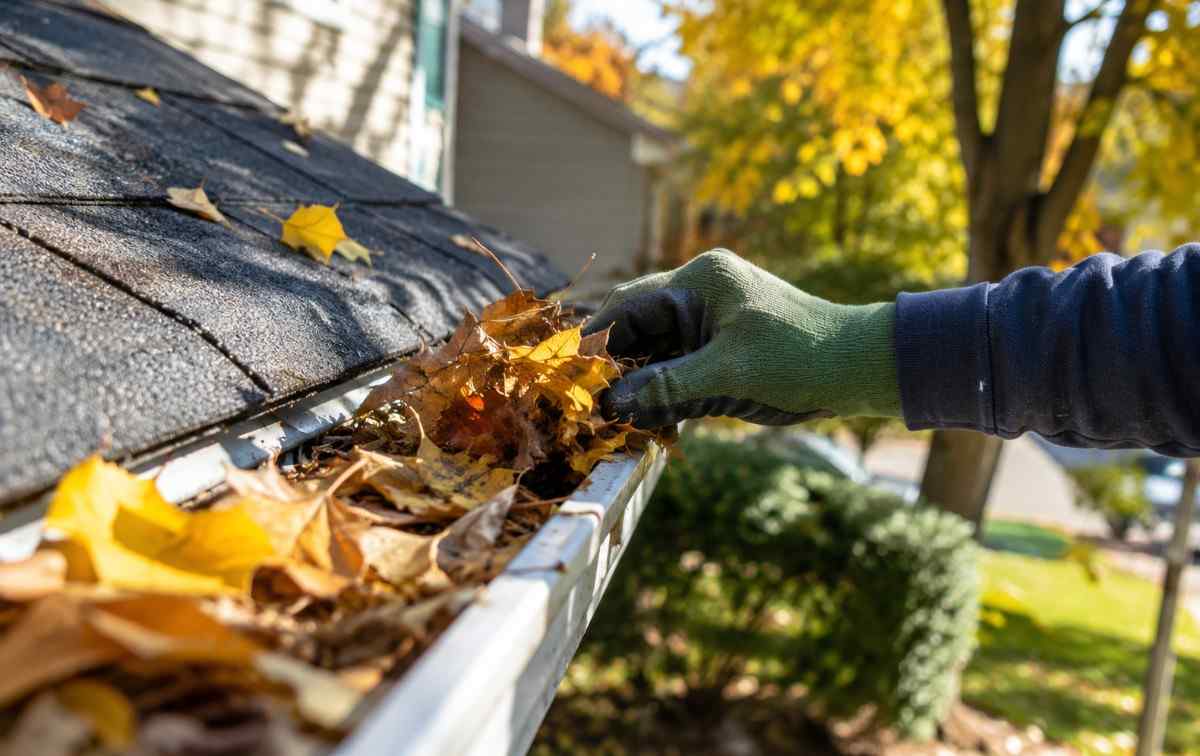
Gutters at home should generally be cleaned at least twice a year—typically in spring and fall. However, homes surrounded by trees, properties exposed to heavy rain, or houses with frequent gutter blockage may need cleaning three or more times annually. Regular gutter cleaning helps prevent clogs, gutter overflow, water damage, pest problems, and premature gutter repairs.
3 Ideal Schedule You Should Clean Your Gutters
The ideal gutter cleaning schedule depends on the property’s surroundings, weather conditions, roof design, and amount of vegetation nearby.
1. Twice a Year for Most Homes
For many residential properties, cleaning gutters two times per year is a practical starting point. A spring cleaning removes debris accumulated during fall and winter, while a fall cleaning prepares the gutter system for increased rainfall and winter weather.
2. More Often for Homes Surrounded by Trees
Properties beneath or near mature trees may require more frequent gutter cleaning. Leaves, seeds, pine needles, and small branches can quickly fill gutters and downspouts.
In these situations, homeowners may benefit from checking the gutters every few months and scheduling cleaning whenever significant debris begins accumulating.
3. More Frequently During Heavy Rainfall
Homes in areas that experience frequent or intense rainfall may need additional inspections. Heavy rain can quickly expose an existing blockage and increase the risk of gutter overflow.
Regular checks are particularly useful before and during seasons when severe storms are more common.
Why Is Regular Gutter Cleaning Important?
A home’s gutter system is designed to collect rainwater from the roof and direct it safely away from the foundation. Over time, leaves, twigs, pine needles, dirt, roof granules, and other debris can accumulate inside the channels. If this material is not removed, water may stop flowing properly through the gutters and downspouts.
A clogged gutter can cause water to spill over the sides instead of moving through the drainage system. This gutter overflow may damage fascia boards, siding, landscaping, foundations, and other areas around the home. In colder climates, trapped water can also freeze and contribute to structural problems.
For homeowners, routine home gutter cleaning is therefore more than a cosmetic task. It is an important part of protecting the roof and drainage system and reducing the likelihood of expensive water-related repairs.
If you do not have the proper equipment, experience, or time to safely work at roof level, it is often better to hire gutter cleaners who can inspect the gutters, remove accumulated debris, and identify potential problems before they become costly repairs.
What Is the Best Time to Clean Gutters?
The best time to clean gutters depends on local weather and the surrounding landscape, but spring and fall are commonly recommended.
Spring gutter cleaning can remove debris left behind by winter weather and help ensure that rainwater can flow freely during spring and summer storms.
Fall cleaning is particularly important for homes surrounded by deciduous trees because large quantities of leaves can accumulate in a short period.
Homeowners should also consider a gutter inspection after major storms. Wind and heavy rainfall can move branches, leaves, and other debris into the drainage system or damage sections of the gutters.
Signs Your Gutters Need Cleaning
You do not always need to wait for your scheduled cleaning date. Several warning signs indicate that the gutters may already need attention:
- Water spills over the sides during rainfall.
- Gutters contain visible leaves, dirt, or standing water.
- Downspouts are not draining properly.
- Plants or weeds are growing inside the gutters.
- Gutters appear sagging or separated from the roofline.
- Water is collecting around the foundation.
- Exterior walls show signs of water staining.
- You notice mold, mildew, or excessive moisture near the drainage areas.
- Birds, insects, or rodents are repeatedly nesting around the gutters.
These symptoms can indicate a developing gutter blockage or another drainage problem that requires professional attention.
What Happens If Gutters Are Not Cleaned?
Neglected gutters can create problems that extend well beyond the roofline. When debris prevents proper water flow, rainwater may remain trapped in the channels or spill onto areas of the property that are not designed to handle concentrated runoff.
Potential consequences include:
- Gutter overflow: Water can spill over the sides during rainfall.
- Gutter water damage: Persistent moisture may damage fascia, soffits, siding, and other exterior components.
- Foundation problems: Water repeatedly discharged close to the foundation can contribute to moisture-related issues.
- Roof and fascia damage: Standing water and debris can contribute to deterioration around the roof edge.
- Pest activity: Wet organic debris can create an attractive environment for insects and other pests.
- Costly gutter repair: Sagging, cracked, detached, or severely damaged gutters may eventually require professional repair or replacement.
Regular gutter cleaning is usually far less expensive and disruptive than addressing extensive water damage after a drainage failure.
How Can You Tell If Your Gutters Need Professional Cleaning?
Some homeowners can safely remove small amounts of debris from accessible gutters, but professional gutter cleaning service may be the safer choice when gutters are high, difficult to access, heavily clogged, or damaged.
Professional cleaners can typically assess the condition of the channels and downspouts while removing accumulated debris. A thorough gutter inspection can also help identify loose fasteners, cracks, sagging sections, poor drainage, and other issues that may require gutter repair.
Safety should also be a priority. Working from ladders or near roof edges can create serious fall hazards. Homeowners who are uncomfortable with ladder work should avoid taking unnecessary risks simply to complete routine maintenance.
How to Reduce the Need for Frequent Gutter Cleaning
Although no gutter system is completely maintenance-free, homeowners can reduce debris accumulation and improve drainage by:
- Keeping trees and branches properly trimmed where appropriate.
- Checking gutters after severe storms.
- Inspecting downspouts for obstructions.
- Ensuring downspouts direct water away from the foundation.
- Scheduling regular gutter cleaning rather than waiting for visible overflow.
- Considering gutter guards where they are suitable for the property’s conditions.
- Addressing damaged or sagging gutters promptly.
If you are considering a different gutter design for easier maintenance, this guide on gutter installation options and the easiest gutter to install can provide useful background before making a decision.
Does Every Home Need the Same Gutter Cleaning Schedule?
No. A standard twice-yearly schedule works well as a general guideline, but every property is different. A home surrounded by trees may require more frequent cleaning than a property with little vegetation.
Roof size, roof pitch, gutter design, downspout capacity, local rainfall, nearby trees, and storm exposure can all affect how quickly debris accumulates.
The best approach is to establish a regular maintenance schedule and adjust it according to what you observe during each inspection.
Final Takeaway
For most homeowners, cleaning gutters twice a year is a sensible maintenance routine, with additional cleaning when heavy debris, storms, or nearby trees create a greater risk of blockage. Regular gutter cleaning keeps rainwater moving through the gutter system, reduces the likelihood of gutter overflow, and helps protect the home from preventable water damage.
Rather than waiting until water starts spilling over the roofline, homeowners should combine scheduled cleaning with periodic inspections. Early maintenance can identify small drainage problems before they develop into major repairs, helping keep the home’s gutter system functional and reliable year-round.
Frequently Asked Questions About Gutter Cleaning
How many times a year should residential gutters be cleaned?
Most homes should have gutters cleaned at least twice a year, generally in spring and fall. Properties with heavy tree coverage or frequent storms may require more frequent cleaning.
Can I clean my gutters once a year?
Once-yearly cleaning may be adequate for some properties with minimal debris, but it is not ideal for many homes. Twice-yearly cleaning provides more opportunities to identify blockages and drainage problems before they worsen.
What is the best month to clean gutters?
There is no single best month for every location. Generally, cleaning in spring and after most leaves have fallen in autumn is effective. Local weather and vegetation should determine the exact timing.
What happens if gutters are never cleaned?
Unmaintained gutters can develop severe blockages, overflow during rainfall, retain standing water, attract pests, and contribute to damage around the roof, exterior walls, landscaping, and foundation.
Should gutters be inspected even if they look clean?
Yes. A gutter inspection can reveal hidden problems such as blocked downspouts, loose connections, cracks, sagging sections, and poor water flow that may not be obvious from the ground.