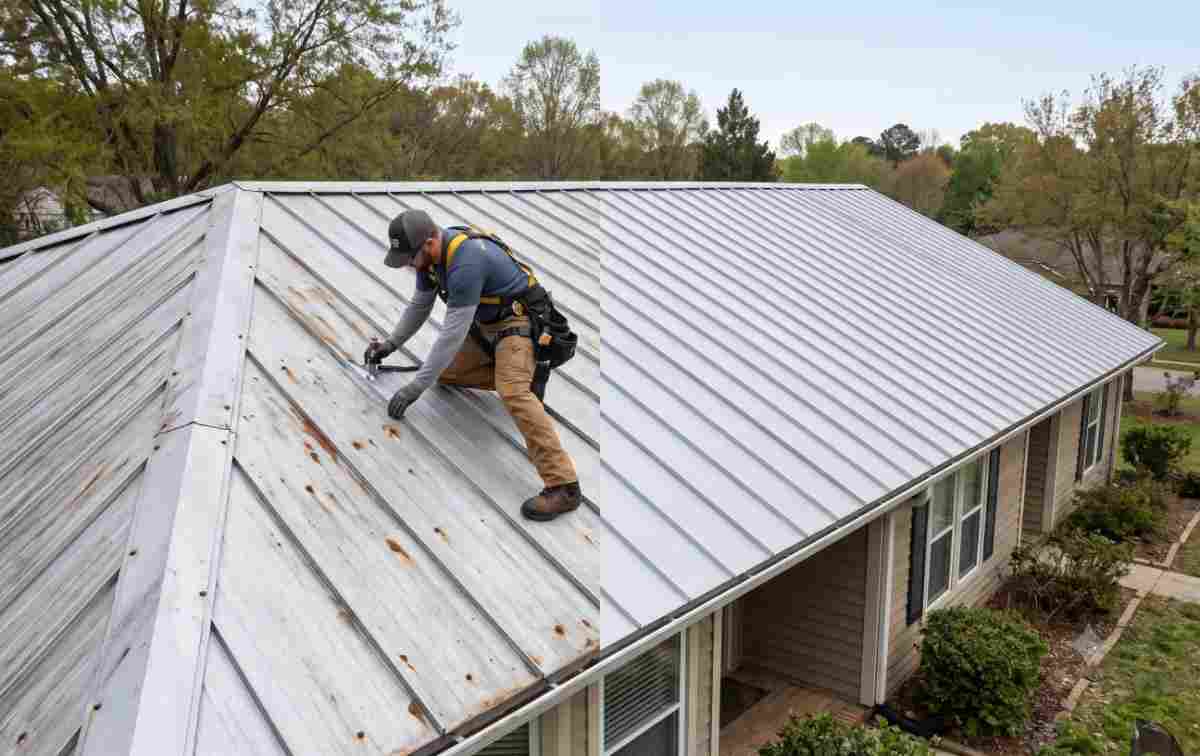
The biggest problem with metal roofs is usually not the metal itself—it is moisture-related corrosion and installation problems that can eventually cause leaks, fastener failure, or premature roof damage. Poor installation, incompatible metals, trapped moisture, inadequate ventilation, and damaged protective coatings can all reduce a metal roof’s performance. The good news is that most of these problems can be prevented through proper material selection, professional installation, routine inspections, and timely maintenance.
Metal roofing is known for its durability, long service life, energy efficiency, and resistance to many common roofing problems. However, like any roofing material, it has potential weaknesses that homeowners should understand before installation.
Knowing the common problems with metal roofs can help you make better decisions about materials, installation, maintenance, and repairs.
7 Biggest Problems With Metal Roofs
1. Corrosion and Rust
Corrosion is one of the primary concerns homeowners associate with metal roofing.
Metal panels can be exposed to moisture through scratches, damaged coatings, poorly sealed penetrations, or areas where water remains trapped. Coastal environments can present additional challenges because salt and moisture can accelerate corrosion.
How to avoid it:
- Choose corrosion-resistant roofing materials.
- Use high-quality protective coatings.
- Repair scratches or coating damage promptly.
- Keep gutters and drainage systems clear.
- Inspect areas around roof penetrations and fasteners.
- Avoid direct contact between incompatible metals.
Professional installation is particularly important because even a high-quality panel can develop problems when improperly handled or installed.
2. Expansion and Contraction
Metal naturally expands when heated and contracts when temperatures fall. Repeated temperature changes can place stress on roofing components.
Over time, improper installation may contribute to:
- Loose fasteners
- Sealant deterioration
- Panel movement
- Gaps around penetrations
- Premature wear
This does not mean metal roofs are unreliable. Modern metal roofing systems are designed to accommodate normal thermal movement.
How to avoid it:
Use the appropriate fastening system, allow for proper panel movement, and follow the manufacturer’s installation specifications.
3. Leaks From Poor Installation
A metal roof itself may be highly resistant to water, but installation mistakes can create vulnerabilities.
Common problem areas include:
- Flashing
- Roof penetrations
- Seams
- Fasteners
- Valleys
- Chimneys
- Skylights
- Ventilation openings
A small installation error can become a major source of water intrusion.
That is why choosing a metal roof installer is one of the most effective ways to prevent future roofing problems.
4. Scratches and Damaged Coatings
Metal roofing typically relies on protective finishes to improve weather resistance and appearance. Scratches, cuts, or damage to the coating can expose the underlying metal.
Damage can happen during:
- Transportation
- Cutting
- Installation
- Maintenance
- Severe weather
- Contact with branches or debris
Prevention: Have damaged areas evaluated and repaired according to the roofing manufacturer’s recommendations rather than leaving exposed metal untreated.
5. Noise During Heavy Rain
One of the most frequently discussed metal roof disadvantages is noise.
Metal panels can transmit more sound than some traditional roofing materials, particularly when installed over an open structure without sufficient insulation or underlayment.
However, a properly designed roofing assembly can significantly reduce the sound.
Homeowners can improve acoustic performance by using:
- Quality underlayment
- Adequate insulation
- Appropriate roof decking
- Properly designed ceiling assemblies
So, are metal roofs noisy? They can be, but excessive noise is not an unavoidable characteristic of every metal roof.
6. Denting From Hail or Falling Debris
Metal roofs are generally durable, but certain panels can be dented by large hail, falling branches, or other heavy impacts.
The likelihood depends on:
- Metal type
- Panel thickness
- Roof profile
- Coating
- Impact force
- Installation quality
If severe weather is common in your area, ask about impact-resistant roofing options before selecting a system.
7. Installation and Repair Costs
Metal roofing can have a higher upfront cost than some conventional roofing materials.
However, looking only at initial price can give homeowners an incomplete picture.
A metal roof may provide long-term value through durability, longevity, reduced maintenance requirements, and energy performance.
For homeowners evaluating the investment, see how metal roofing can boost home value and why the long-term benefits may matter when comparing roofing materials.
How to Avoid the Biggest Problems With Metal Roofing
The best way to prevent metal roof problems is to treat installation and maintenance as part of the same long-term strategy.
Choose the Right Metal Roofing
Different roofing metals have different characteristics.
Depending on your property and environment, options may include:
- Galvanized or coated steel
- Aluminum
- Copper
- Zinc
Your roofing professional can help determine which material and coating are appropriate for your climate and building.
Hire an Experienced Installer
Installation quality can have a major impact on the lifespan of a metal roof.
A qualified professional should understand:
- Panel layout
- Fastener placement
- Flashing
- Ventilation
- Thermal movement
- Roof penetrations
- Manufacturer requirements
- Local building requirements
Avoid selecting a contractor based solely on the lowest estimate.
Inspect the Roof Regularly
Routine inspections can identify minor problems before they become expensive repairs.
Look for:
- Rust or discoloration
- Damaged coatings
- Loose fasteners
- Failed sealants
- Standing water
- Damaged flashing
- Blocked drainage
- Bent or damaged panels
Professional inspections are particularly useful after severe storms.
Keep Gutters and Drainage Clear
Water should move efficiently away from the roof.
Blocked gutters and downspouts can cause water to accumulate around roofing components and increase moisture exposure.
Regular gutter cleaning and drainage maintenance can therefore support the overall performance of a metal roofing system.
Are Metal Roofs Still a Good Choice?
Yes. Metal roofs can be an excellent long-term roofing choice when the appropriate material is professionally installed and maintained.
Their potential benefits include:
- Long service life
- Strong weather resistance
- Low maintenance requirements
- Energy-efficiency opportunities
- Fire resistance
- Modern appearance
- Recyclability
- Potential improvement in property value
The key is understanding that metal roofing performance depends on the complete system—not simply the metal panel.
Good materials, correct installation, proper flashing, ventilation, drainage, and routine inspections all work together to protect the roof.
Frequently Asked Questions
What is the biggest disadvantage of a metal roof?
The biggest potential disadvantage is that metal roofing can be more expensive initially, while corrosion, leaks, and other problems can occur if the roof is poorly installed or maintained.
Do metal roofs rust?
Some metal roofs can rust or corrode when protective coatings are damaged or when moisture and incompatible materials create favorable conditions. Proper material selection and maintenance help reduce the risk.
How long does a metal roof last?
A properly installed and maintained metal roof can last for several decades. Actual lifespan depends on the material, coating, climate, installation quality, maintenance, and exposure to severe weather.
Are metal roofs noisy when it rains?
They can produce more noticeable rain noise, particularly over open structures. Proper insulation, underlayment, decking, and ceiling construction can significantly reduce sound.
Do metal roofs leak more than shingles?
No. A properly installed metal roof should not inherently leak more than a shingle roof. Leaks are often related to installation errors, damaged flashing, penetrations, fasteners, or inadequate maintenance.
How can I prevent metal roof corrosion?
Use corrosion-resistant materials and coatings, prevent prolonged moisture exposure, maintain drainage, inspect damaged areas, and address scratches or coating failures promptly.
Is a metal roof worth the money?
For many homeowners, yes. Although the initial investment may be higher, durability, longevity, maintenance requirements, energy performance, and potential property-value benefits can make metal roofing a worthwhile long-term investment.